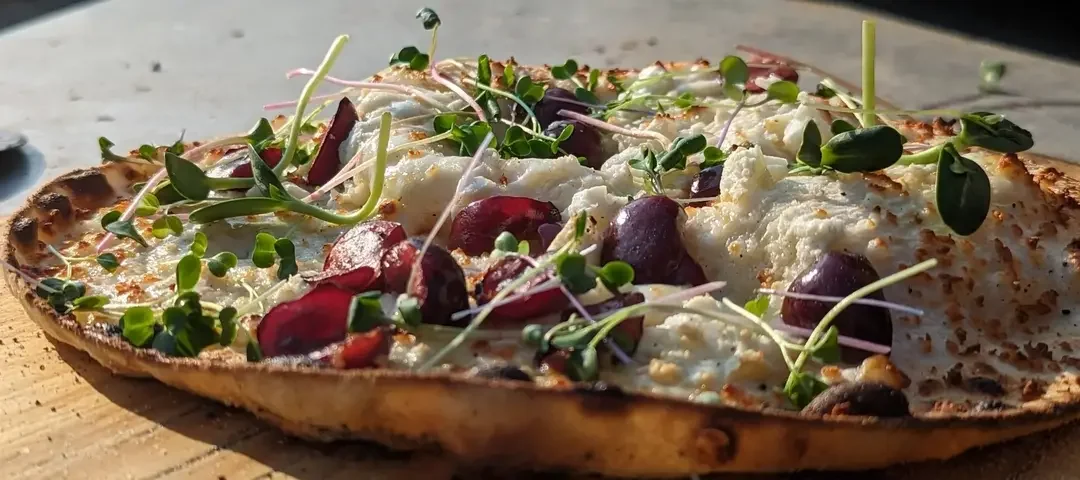
IT STARTS WITH DOUGH.
Before the sauce.
Before the cheese.
Before the heat.
There is dough.
48 hours in the making.
OUR DOUGH DOESN’T START FROM ZERO.
A little of the previous batch comes along for the ride.
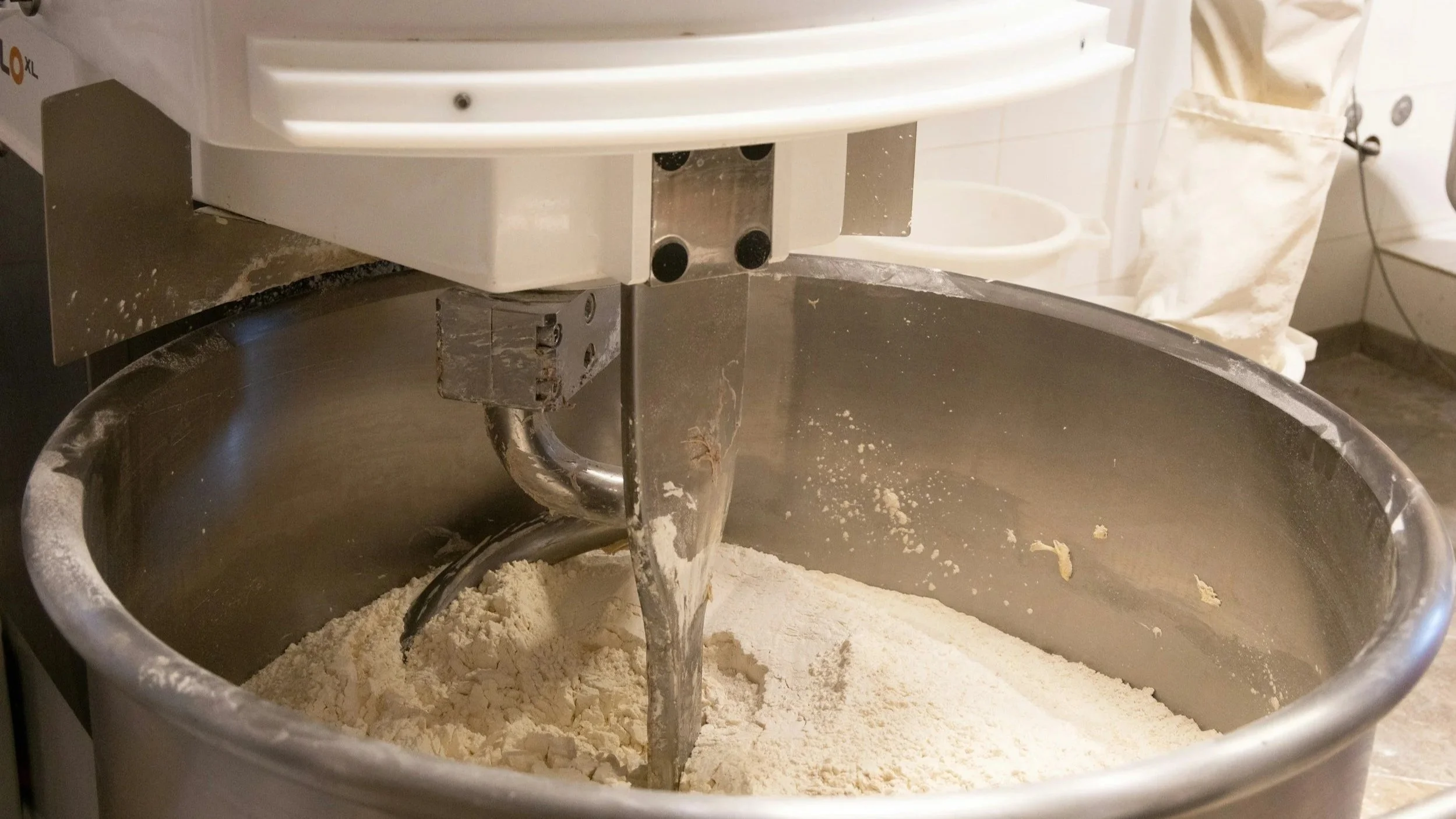
We take mature dough from the previous batch and incorporate it into a new mix with fresh flour, water, yeast and salt.
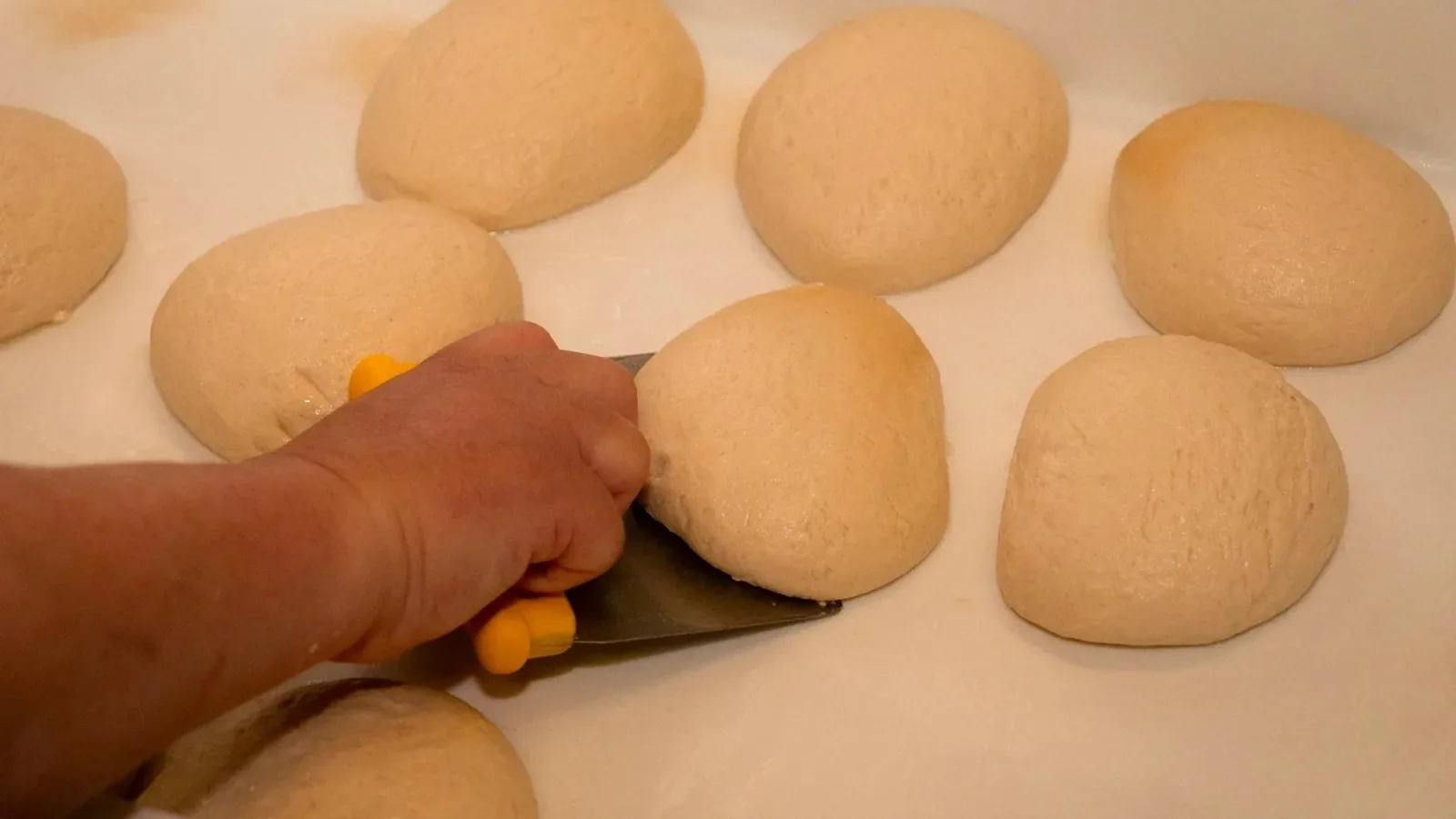
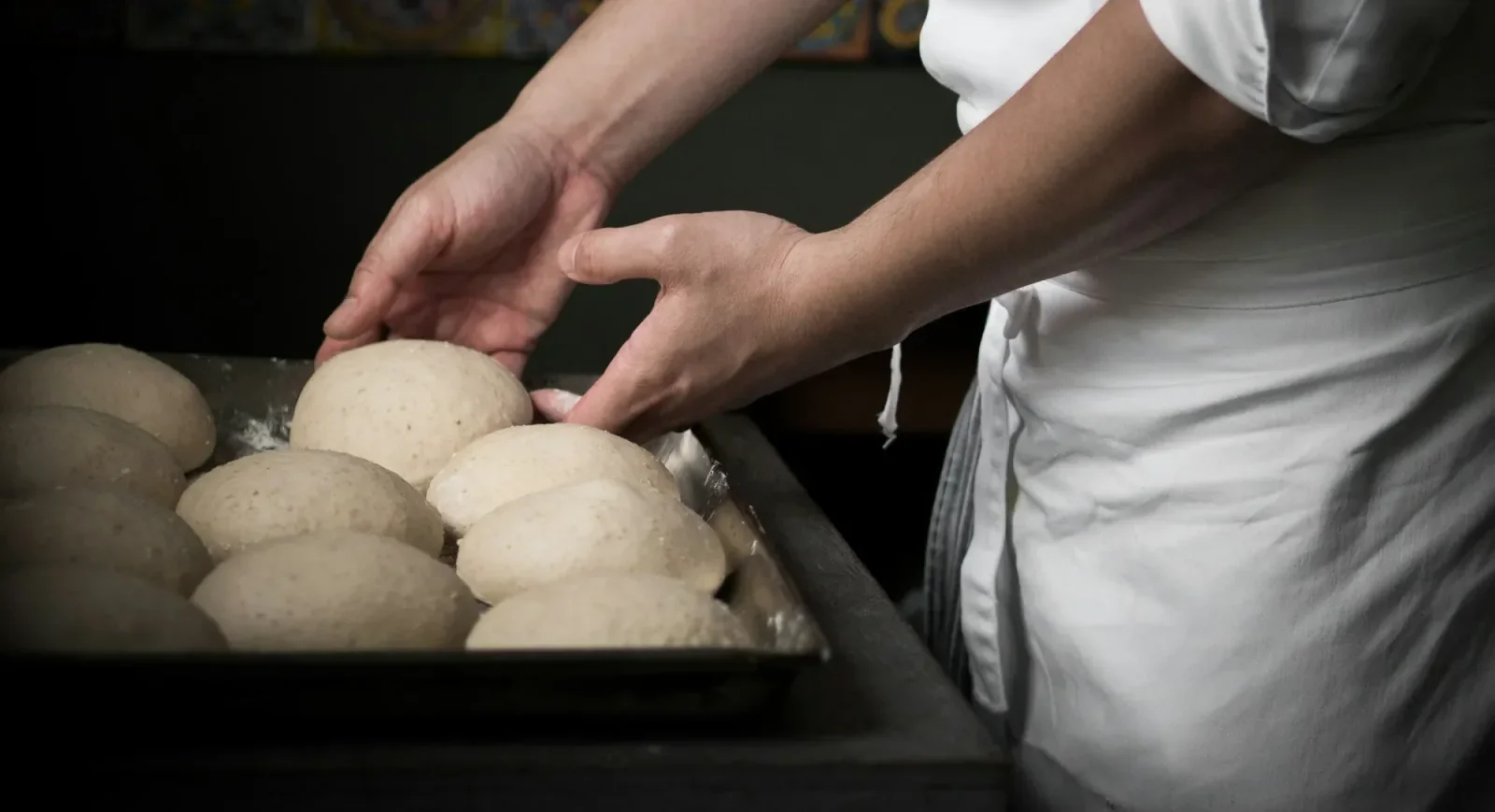
Then we portion it.
Ball it.
Tray it.
And put it in the fridge.
Then we wait.
48 Hours
TIME IS AN INGREDIENT.
You can buy better flour.
You can buy better equipment.
You can buy better cheese.
But you cannot buy more time.
Our dough gets 48 hours to ferment slowly in the cold before it becomes pizza.
That time helps develop its flavour, structure and character—and changes how the dough behaves when it meets our 750°F oven.
THE LIFE OF A NIGHT KITCHEN DOUGH BALL
01 — OLD DOUGH
A portion of the previous batch becomes part of the next. Old dough becomes new dough.
02 — MIX
Fresh flour, water, yeast and salt join the mature dough. Everything comes together.
03 — PORTION
The dough is divided into individual portions. Every pizza begins with its own dough ball.
04 — TRAY
The dough balls are placed into trays and moved into the refrigerator.
05 — WAIT
The cold slows fermentation down. The dough gets time to develop.
06 — 48 HOURS
Two days later, the dough has more flavour, structure and character.
07 — SHAPE
Each dough ball is shaped for its pizza while preserving the qualities developed during fermentation.
08 — TOP
Sauce, cheese and the rest of the ingredients are added.
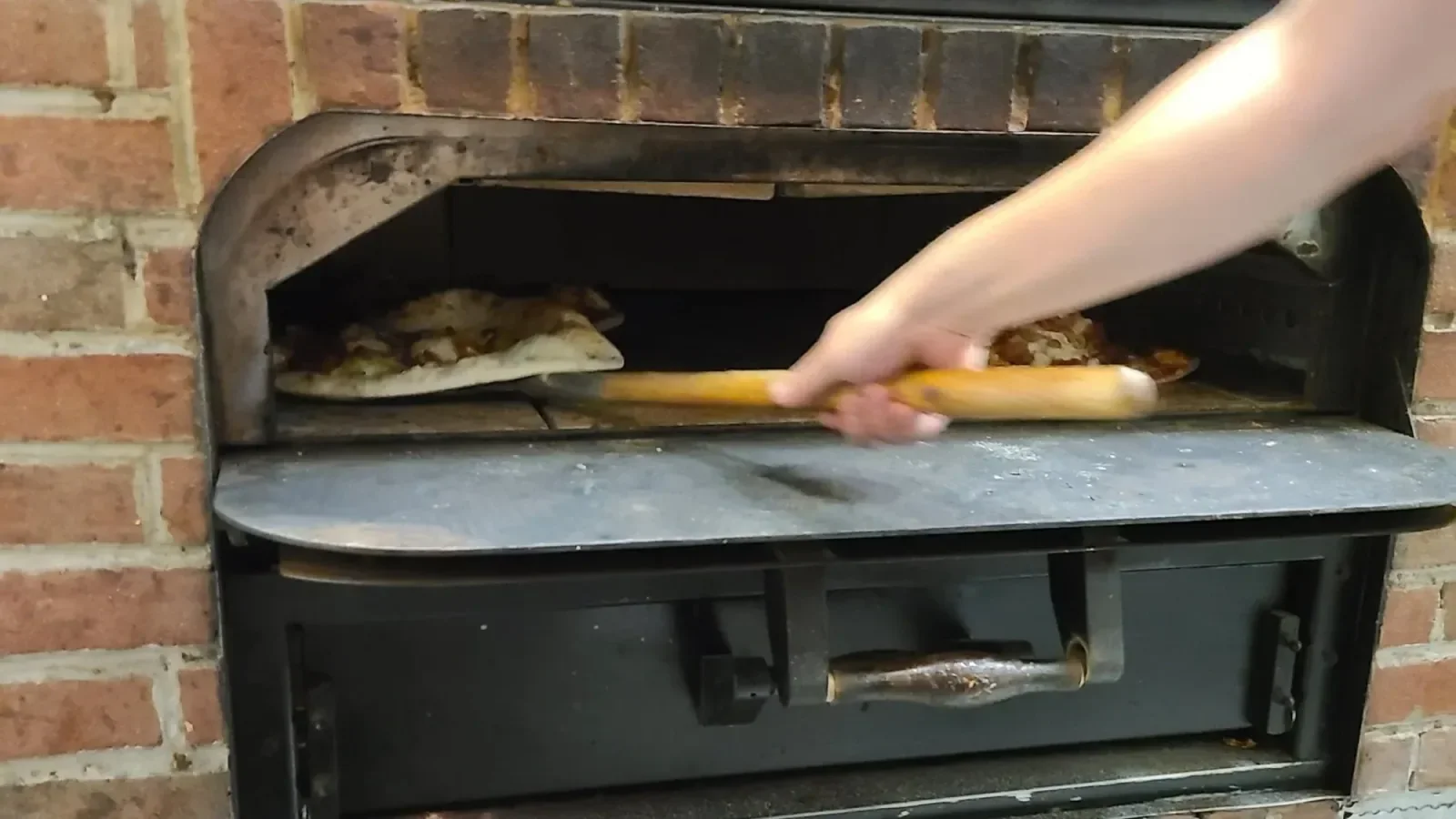
09 — STONE OVEN
The pizza goes into our gas-fired stone oven at approximately 750°F.
10 — PIZZA
Crisp.
Chewy.
Airy.
Golden.
Gone.
WE COULD GIVE YOU THE RECIPE.
But it would not really help.
Because the recipe is not the difficult part.
Flour.
Water.
Salt.
Yeast.
Mature dough.
Time.
The difficult part is knowing what the dough should feel like.
When it is ready.
When it has gone too far.
When it is too cold.
When it is too warm.
When it needs another hour.
When it is ready for the oven.
That is the craft.
THE CRUST HAS A JOB.
CRISP
The bottom should have a little crackle.
SPOTTED
The stone oven leaves dark spots across the bottom—like a cheetah.
CHEWY
The centre should offer some resistance.
AIRY
The edge should have room to breathe.
SOFT
It should not eat like a cracker.
STRONG
It still has to carry the pizza.
AND IT HAS TO TASTE GOOD.
Pizza Nerd Section:
-
Old dough is mature dough saved from a previous batch and incorporated into the next one. It carries some of the previous fermentation forward and contributes to the flavour and character of the new dough.ption text goes here
-
Cold temperatures slow fermentation down. Instead of rushing the process, the dough gets more time to develop the flavour, structure and texture we want.
-
Because that is when our dough gives us what we are looking for. Forty-eight hours is not a universal magic number—it works for our flour, our process and our oven.
-
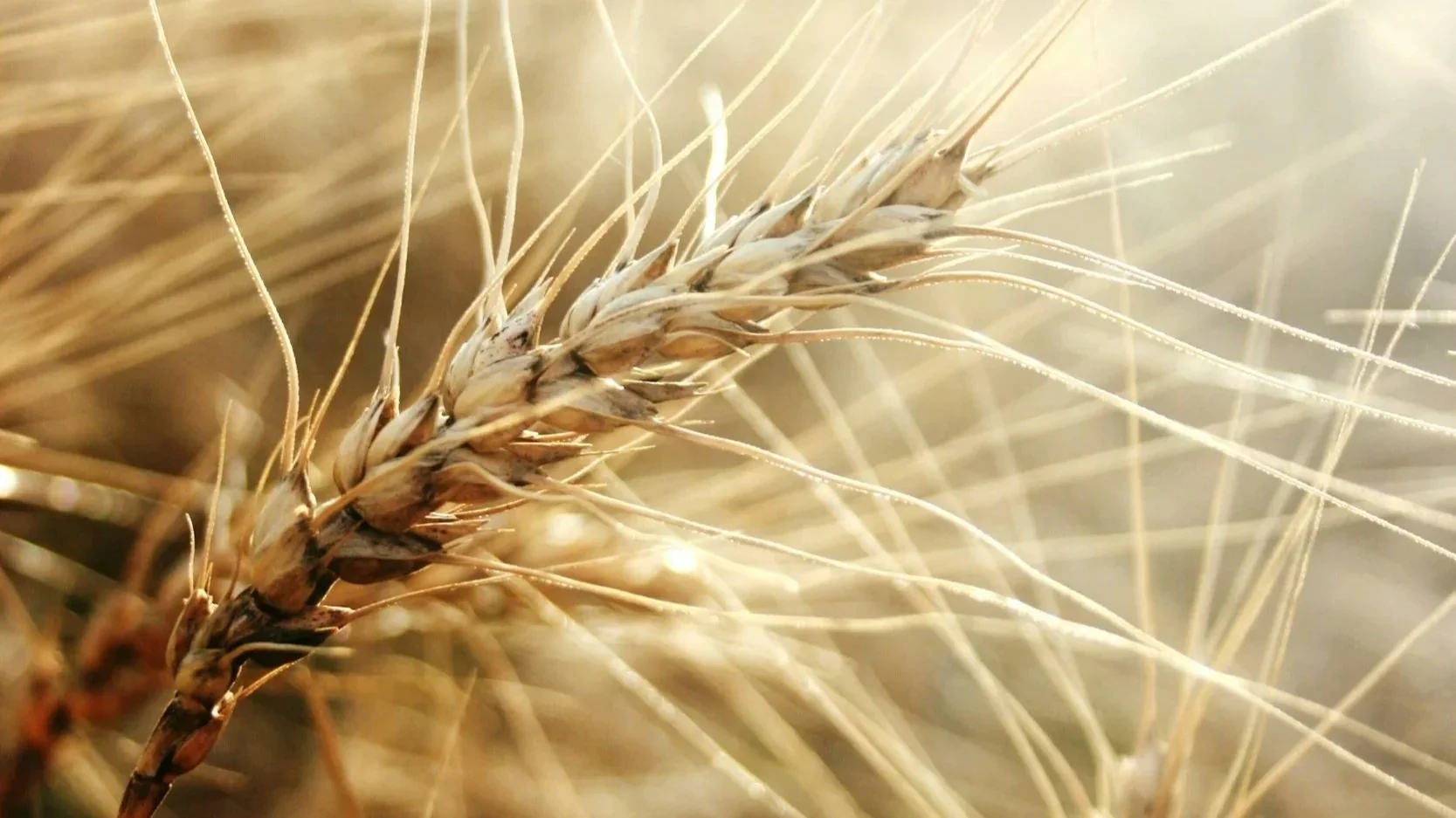
We combine Canadian all-purpose flour made from hard wheat with a Neapolitan-style pizza flour. The blend gives our dough the strength it needs for a long fermentation and the characteristics we want when it bakes.
-
The hot stone gives the bottom its crackle and distinctive dark spots while the intense oven heat bakes the crust quickly. The result is the balance of crispness, chew and softness we are after.
THE FLOUR HAS A JOB TOO.
We combine Canadian all-purpose flour made from hard wheat with a Neapolitan-style pizza flour.
Why mix the two?
Different flours behave differently. Our blend gives the dough the strength it needs for a long, cold fermentation while producing the texture and character we want from our 750°F stone oven.
It is not about choosing the most exotic flour.
It is about choosing what works best for our dough, our process and our pizza.
THEN WE GIVE IT THE HEAT.
For 48 hours, we take our time with the dough.
Then we place it in our gas-fired stone oven at approximately 750°F.
The hot stone gives the bottom its crackle. The intense heat colours the crust and leaves those distinctive dark spots—like a cheetah.
In just minutes, flour, water, salt, yeast and time become pizza.
ALL THAT FOR THIS.
Mature dough.
Fresh flour.
48 hours.
Careful preparation.
A 750°F stone oven.
All to make a crust with flavour, chew, softness and a little crackle underneath.
Worth the wait.
You have seen what goes into the dough.
Now taste what comes out of the oven.